
Our History
Where the Sister Cities Movement Began
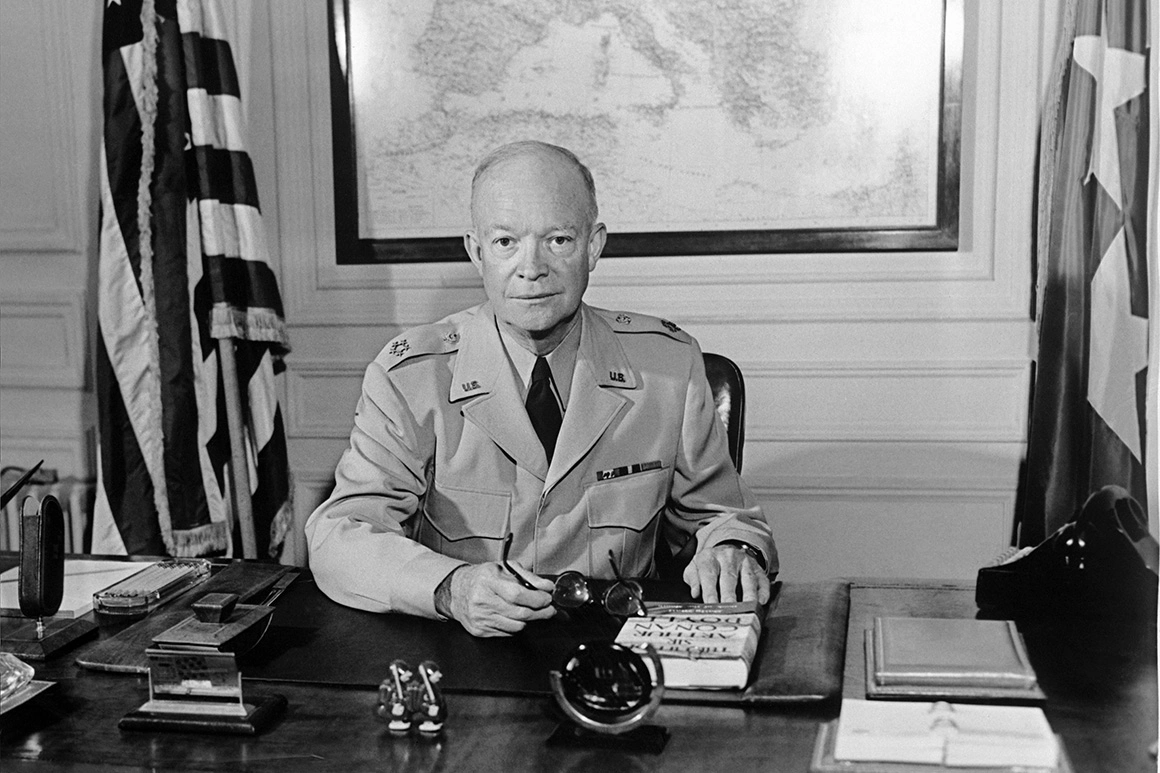
The idea of Pasadena Sister Cities Committee is part of a much larger story. In 1956, President Dwight D. Eisenhower convened a White House conference on citizen diplomacy, inviting everyday Americans to help build peace directly — not just through governments, but through personal relationships between communities around the world.
What began as a single idea grew into a nationwide network of towns and cities forming lasting partnerships abroad — a movement built on the belief that friendship between people, not just nations, is what truly sustains peace.
A Global Movement
Milestones That Shaped Our Mission
Click a year above to jump straight to that moment in the movement's history.
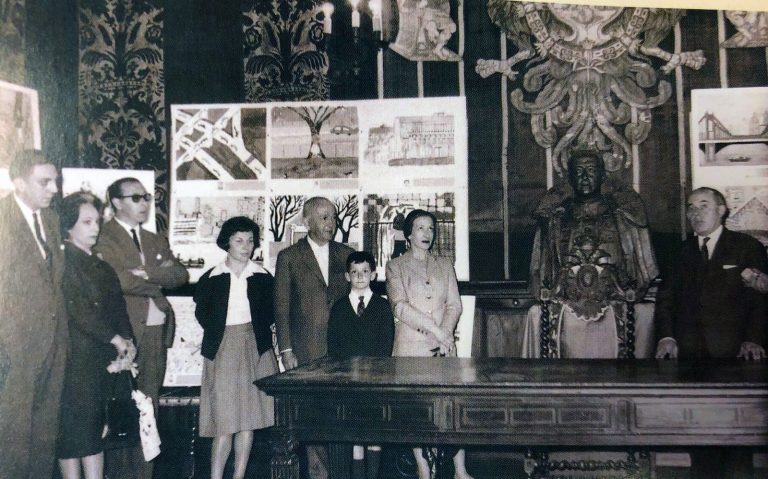
Oldest Sister City Relationship Established Between Toledo, Ohio and Toledo, Spain
January 30, 1931While many communities point to evidence of exchanges or other early activities, Sister Cities International has verified that officials from Toledo, Ohio and Toledo, Spain signed a formal twinning document in 1931 — the earliest confirmed sister city relationship on record.
The Birth of the People-to-People Program
September 11, 1956President Eisenhower spoke of two founding convictions — that responsive local government safeguards freedom, and that people-to-people friendships between sister cities could help build lasting world peace.
On September 11, 1956, President Eisenhower brought Americans representing all walks of life to Washington, D.C. to attend a White House Conference on Citizen Diplomacy — the event that became the capstone of the People-to-People program.
A Sister City Leader
December 1, 1956Mark Bortman became the first leader to chair the Civic Committee — the driving force behind citizen diplomacy — and guided the movement's growth from roughly 40 affiliations at its founding to more than 350 U.S. communities linked with partners in 57 countries by the time of his death in 1967.
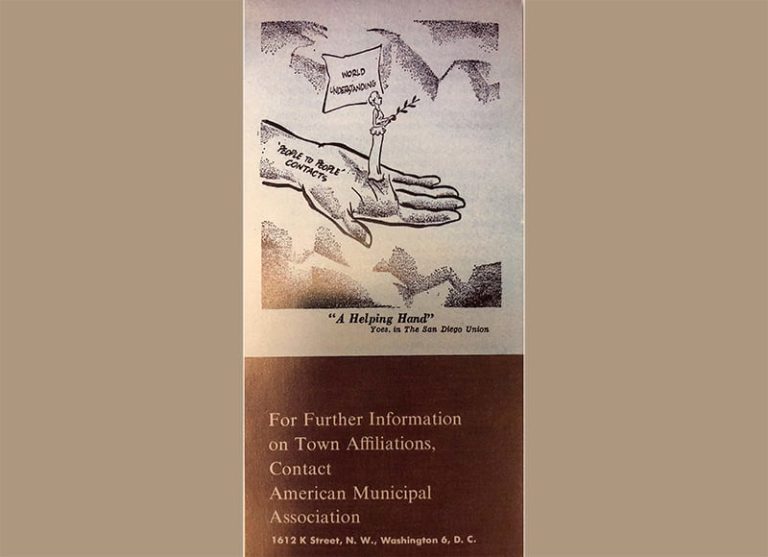
The Civic Committee Finds a Home: the American Municipal Association
July 24, 1957On July 24, 1957, the American Municipal Association — later renamed the National League of Cities — approved a joint cooperative program with the Civic Committee of People-to-People, giving the U.S. Sister Cities program its first institutional partner.
First National Conference
February 27, 1958Mark Bortman noted that hands-on experience with affiliation projects gave committee members a practical, first-hand understanding of foreign affairs beyond what prior generations had.
The very first national sister cities conference was held in Washington, D.C. on February 27–28, 1958, pointing the way toward the program's future growth.
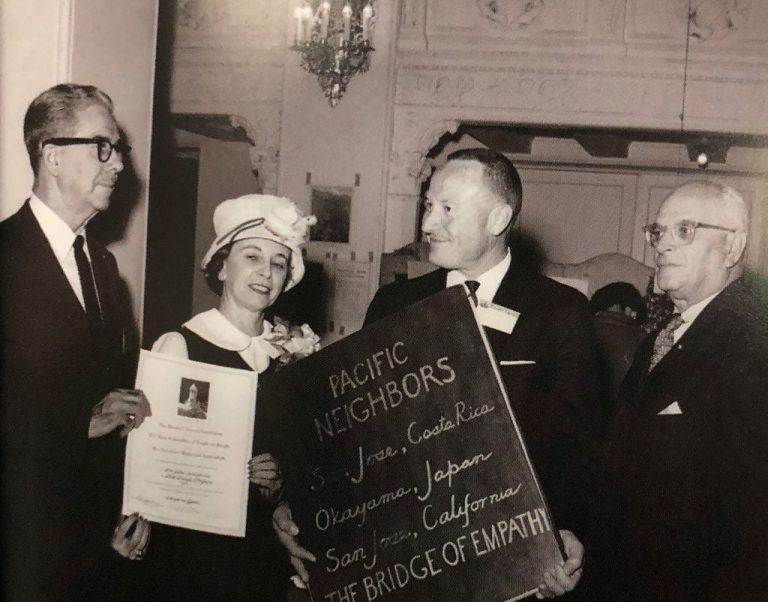
The Annual Awards Program Is Established
August 2, 1963Beginning in 1963, an annual awards program was launched to recognize the most outstanding sister city projects and community initiatives happening around the world. Corporate sponsorship helped sustain the program for decades, encouraging communities to showcase their best diplomacy work.
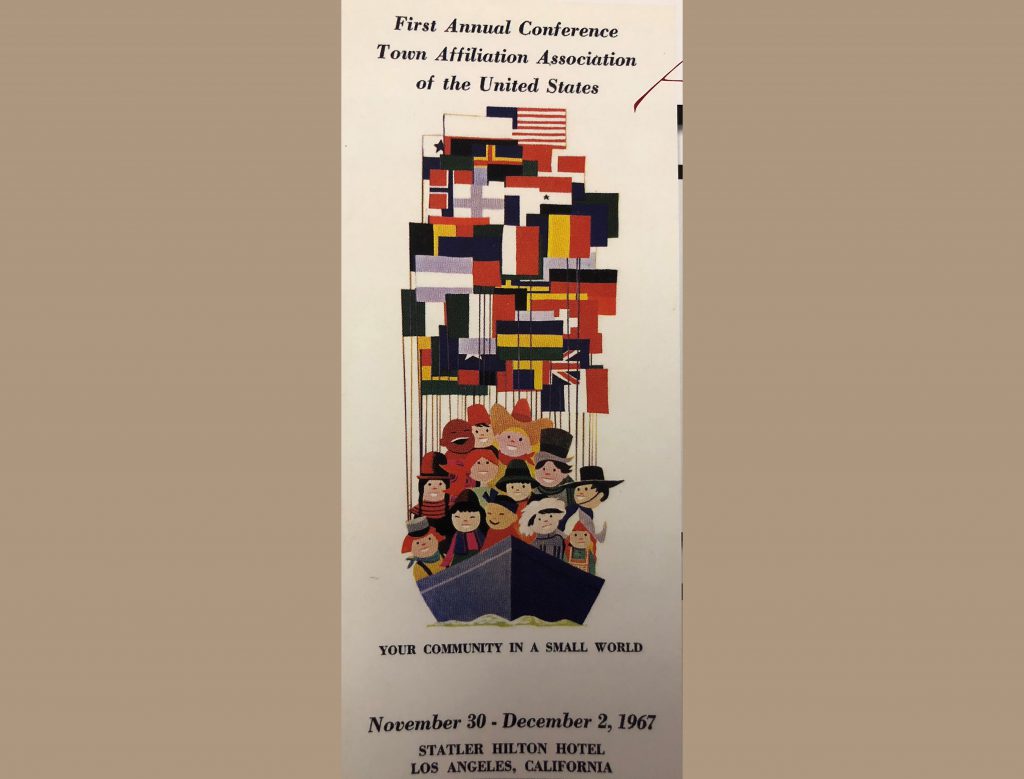
A New Association Is Incorporated
June 12, 1967The national association behind the sister cities movement was formally incorporated in Washington, D.C. in June 1967, giving the growing network its own legal and organizational foundation for the decades ahead.
Defining a Sister City Relationship
May 5, 1968In 1968, the national association amended its bylaws to establish a formal definition of an accredited sister city relationship — one officially recognized by a community's mayor and city council, giving the movement a consistent standard nationwide.
A Sad Passing
March 28, 1969President Dwight D. Eisenhower passed away on March 28, 1969, just a few years after the People-to-People program he helped launch celebrated its 10th anniversary. In the wake of his passing, supporters of the movement were called to carry his vision forward — not through a monument of stone, but through the living, ongoing work of building international understanding and peace.
Growing the National Association
January 19, 1971In January 1971, oversight of the U.S. government's relationship with the national sister cities association shifted from the United States Information Agency to the Department of State's Bureau of Educational and Cultural Affairs — a move that further formalized the program's role in American foreign relations.
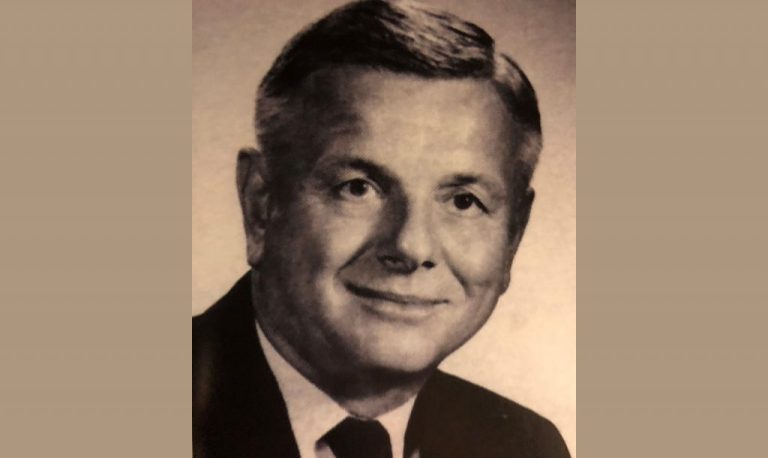
A Special Leader: Lou Wozar
July 14, 1972Louis Wozar, a civic leader and industrialist from Dayton, Ohio, was elected the association's third president at the annual conference in Seattle. He traveled to more than 60 countries on behalf of the sister cities program at his own expense — a legacy honored today through the annual awards dinner that bears his name.
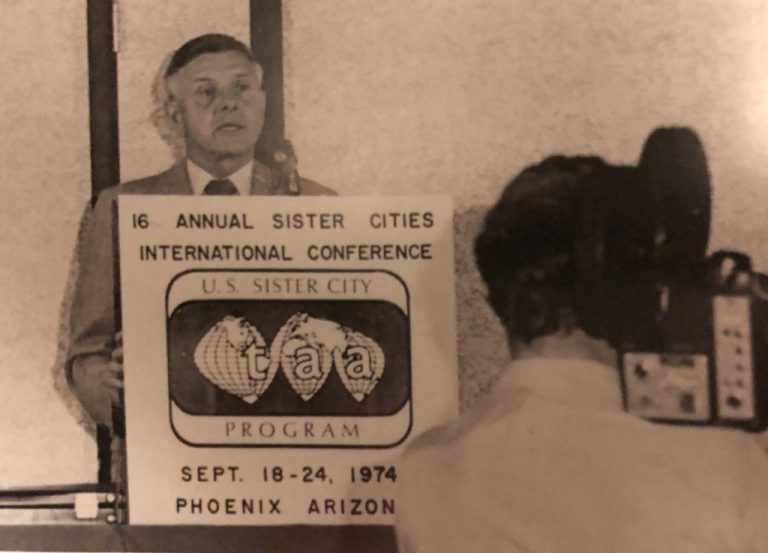
The First Annual Sister Cities International Conference
September 2, 19741974 marked the first year the annual gathering was officially called the "Sister Cities International Conference." Held in Phoenix, Arizona under the theme "Communicating for World Peace," it reflected the movement's growing global identity.
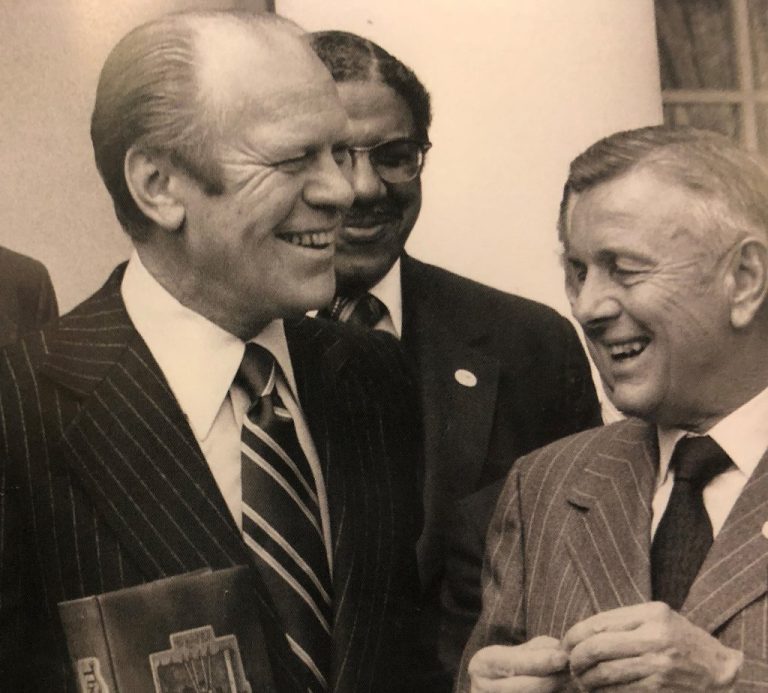
The 500th United States Community Joins Sister Cities International
September 30, 1975Savannah, Georgia and its sister city Patras, Greece became the 500th U.S. community to join the growing program. President Gerald Ford recognized the milestone, and Lou Wozar marked the occasion by presenting him with volumes of American history and a Sister Cities International pin.
Technical Exchange in Developing Countries: The Technical Assistance Program
July 17, 1977Launched in 1977, this program exchanged technical expertise between U.S. communities and partner cities in developing countries. Partially supported by a USAID grant, it brought sister city partners to the United States to collaborate on improving quality of life back home. Hialeah, Florida and Managua, Nicaragua were the first communities to receive funding under the program.
The George V. Allen National Tri-Media Contest
May 1, 1978A precursor to today's Young Artists and Authors Showcase, this youth contest encouraged students to reflect on protecting the world's environment and express their ideas through essays, poetry, or photography.
Sister Cities – We Are One
September 11, 1986Singer-songwriter John Denver recorded "Sister Cities: We Are One," introduced at the 30th anniversary conference in Los Angeles. The song was performed by co-writer Dik Darnell alongside "Kids of the Century," young performers known from the television show "Fame."
Washington D.C. Proclaims "International Sister Cities Day"
October 7, 1988The Mayor of Washington, D.C. officially proclaimed October 7–8, 1988 as International Sister Cities Days in the nation's capital, giving the movement formal civic recognition.
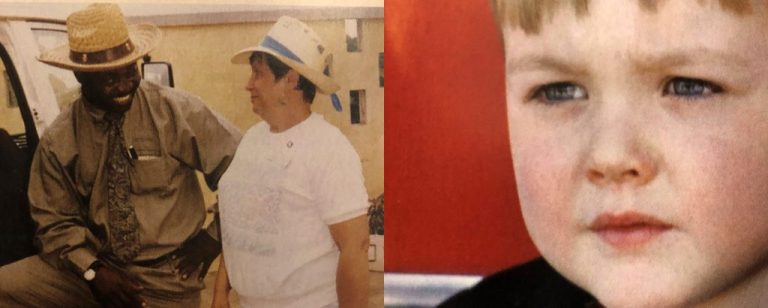
Sister Cities International 40th Anniversary Photo Contest
May 1, 1996A nationwide photo contest celebrated the movement's 40th anniversary, capturing the beauty and power of sister city friendships. That same spirit lives on today through the Young Artists and Authors Showcase, where youth continue to express their passion for citizen diplomacy.
The Global Envoy Program: Partners Spreading the Sister City Mission
July 15, 2001Started in 2001, the Global Envoy Program expanded the movement's presence at international events. Envoys represent the organization at conferences, embassies, and other gatherings worldwide, helping spread its mission of citizen diplomacy.
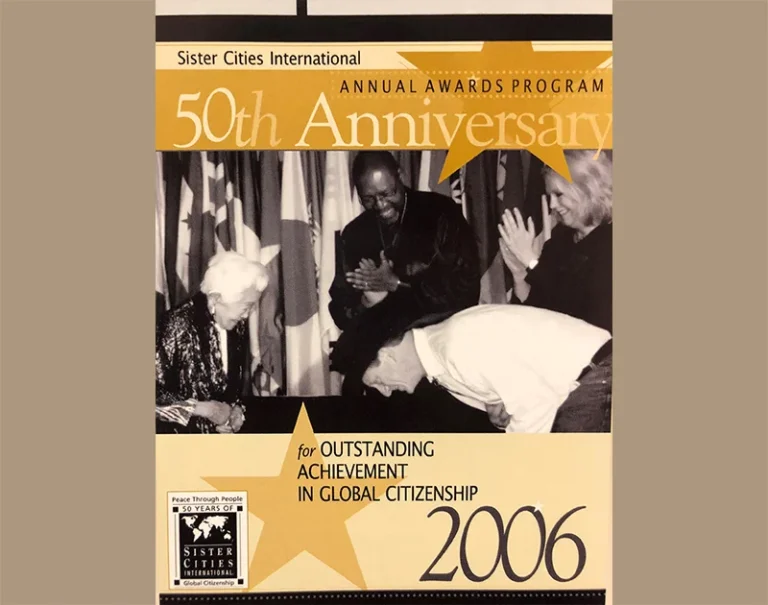
Sister Cities International 50th Anniversary Conference
September 11, 2006The 50th Anniversary Conference in Washington, D.C. celebrated the movement's past while looking toward its future. Held alongside the National Summit on Citizen Diplomacy and an International Youth Summit on Global Citizenship, it brought together students and lifelong advocates to build leadership skills and lasting friendships.
The Core Idea
Why Citizen Diplomacy Still Matters
People, Not Just Governments
Real peace grows from everyday relationships — neighbors, students, and volunteers building trust across borders.
Local Government, Global Impact
City-to-city partnerships prove that meaningful international cooperation can start right at the local level.
A Movement That Endures
Since 1956, thousands of partnerships worldwide have kept the same founding belief alive: friendship builds peace.
Be Part of the Next Chapter
Seven decades of citizen diplomacy started with one relationship. Yours could be next — join us in building the future of this tradition.